THE BESTEST EVER / KITCHEN GUIDES
Freezing Food: What Freezes Well & How to Do It
Wondering if you can freeze something before it goes bad? From bread and cheese to cooked eggs, fruit, sauces, and desserts, find out what freezes well, how to prepare it, and what to expect afterward.
BROWSE BY FOOD TYPE
What Are You Freezing?
Choose a food category to jump straight to the guides you need.

Eggs & Egg Dishes →
Omelettes, scrambled and fried eggs.
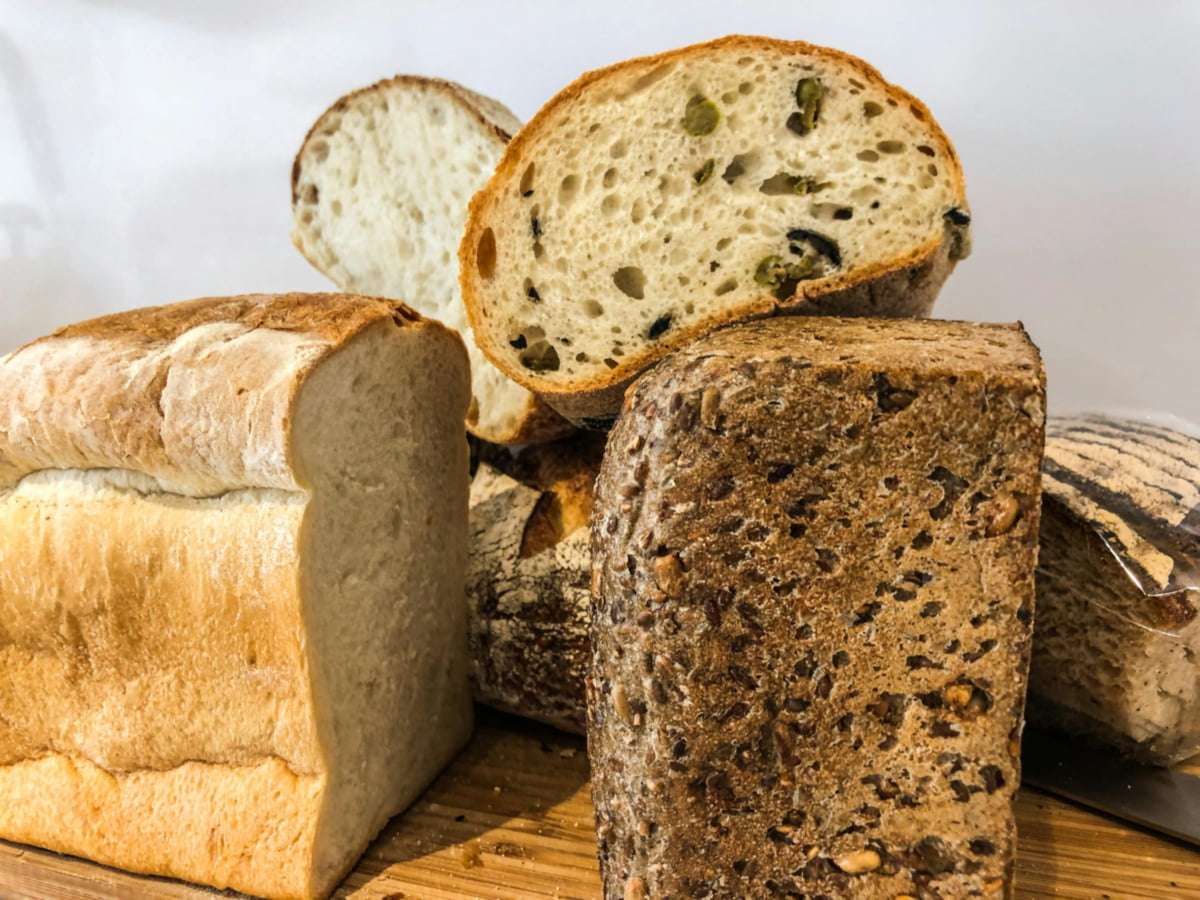
Bread & Baked Goods →
Loaves, baguettes, cornbread and dough.

Cookies & Desserts →
Cookies, pies and sweet treats.
FROM THE FREEZING LIBRARY
Freezing Guides Worth Exploring
A few useful places to start, whether you’re saving leftovers or preparing food ahead of time.
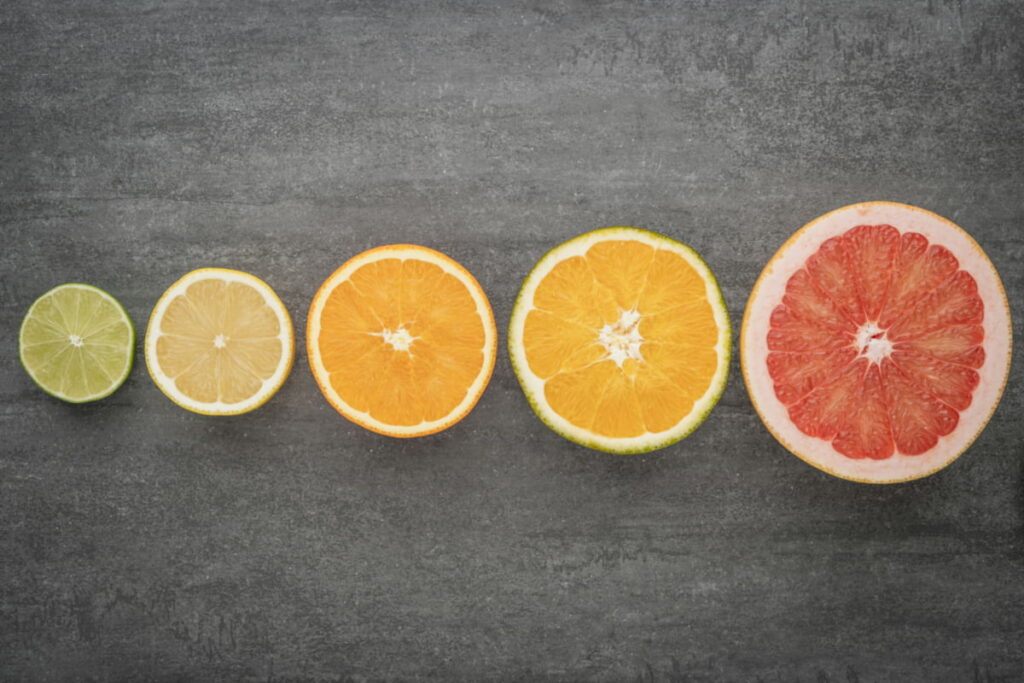
The Guide to Freezing Citrus
Oranges, lemons and other citrus fruits.
How to Freeze French Toast
Save breakfast for another morning.
The Guide to Freezing Cookies
Which cookies hold up best?
THE COMPLETE DIRECTORY
Browse All Freezing Guides
Find a food below and open its freezing guide.
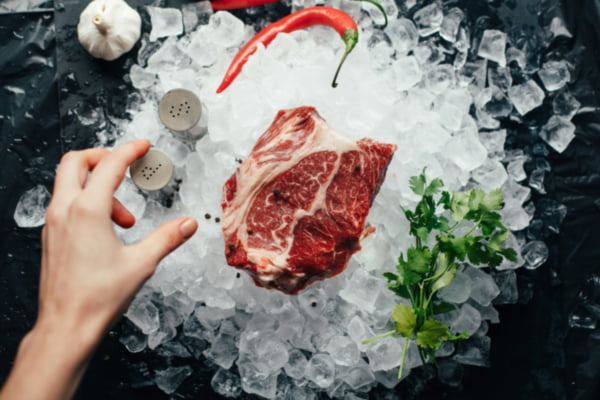
Meat & Poultry
Save cooked meat and leftovers while protecting their texture.
Dairy, Cheese & Alternatives
Some dairy products become grainy, crumbly or separated after thawing.

Eggs & Egg Dishes
Freezing results depend on how the eggs were prepared.

Bread & Baked Goods
Proper wrapping helps prevent bread from drying out.
Breakfast Foods
Make busy mornings easier by freezing breakfast in portions.
Cakes, Cookies & Desserts
Moisture, fillings and toppings can affect how desserts freeze.
Fruits, Vegetables & Herbs
Some produce softens after thawing, while certain vegetables benefit from blanching.
Fruits
Vegetables & Herbs
Sauces, Dips & Spreads
Creamy and blended foods may separate or change consistency after thawing.
Drinks & Beverages
Liquids expand when frozen, so the container matters.
BEFORE YOU FREEZE
Can You Freeze It? Here’s What to Expect
Most foods can be frozen, but whether you’ll enjoy them afterward is another question. The biggest difference often comes down to moisture, texture, and how you plan to use the food after thawing.
| Food type | What to expect after freezing |
|---|---|
| Bread and rolls | Usually freeze well when properly wrapped |
| Cooked meat | Generally freezes well, though it may lose moisture |
| Hard and semi-hard cheeses | May become crumbly; often better for cooking |
| Milk and yogurt | Can separate or become grainy |
| Watery fruits | Often soften after thawing; useful for smoothies or cooking |
| Cooked eggs | Results depend on how the eggs were prepared |
| Creamy sauces | May separate and need gentle reheating |
The takeaway: Think about how you’ll use the food later. A soft strawberry might be disappointing on a fruit platter but perfectly fine in a smoothie.
FREEZER BASICS
Four Things to Know Before Freezing Food
01 / TEMPERATURE
Keep your freezer at 0°F (-18°C) or colder.
Food kept continuously frozen at this temperature remains safe indefinitely, although its quality can decline over time.
02 / PACKAGING
Package food to protect its quality.
Use freezer-safe bags, containers or suitable wrapping. Remove excess air where practical to help reduce freezer burn.
03 / PORTIONS
Freeze food in portions you’ll actually use.
Smaller portions are usually easier to thaw than one large frozen batch.
04 / LABELING
Label what you’re freezing.
Write down the food and freezing date. A few months from now, that mystery container might not be so easy to identify.
For more information on safe freezing, see the USDA’s Freezing and Food Safety guidance.
KEEP EXPLORING
What Happens After You Freeze It?
Freezing is only half the job. Find out how to thaw, reheat and store your food properly.
Thawing Food Guides →
Find safe ways to defrost frozen foods.
Reheating Food Guides →
Warm leftovers while protecting their texture.
Food Storage Guides →
Keep everyday foods properly stored.
All Kitchen Guides →
Explore all practical kitchen guides.